Tax Notices · Jacksonville, FL
Got an IRS Notice? What Jacksonville Small Business Owners Should Do First
By Remi Matteo · Matteo Bookkeeping · Jacksonville, FL
TL;DR
- Most IRS notices are routine. They are not automatically an audit or a crisis.
- Every notice has a deadline. Missing it is the single biggest mistake you can make.
- Read it fully before reacting. The notice number and reason are printed right on it.
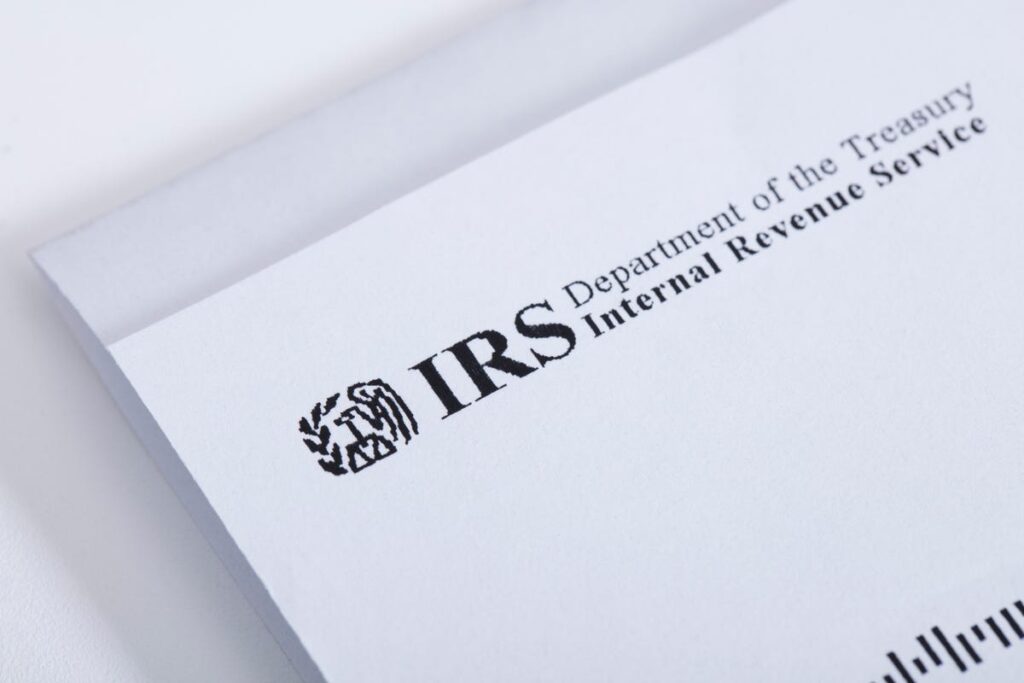
An IRS envelope in the mail is one of the few things that can ruin a business owner's whole day before they even open it. Take a breath first. The overwhelming majority of IRS notices are routine, computer-generated, and completely fixable. They are not an audit, and they are not the IRS coming after you personally. Here is exactly what to do, in order.
Open it and read the whole thing
Every IRS notice has a notice number in the top or side corner, something like CP2000 or CP14. That number tells you exactly what it is about, whether it is a math error, a missing payment, unreported income, or something else. Do not skim to the dollar amount and panic. Read what it actually says the issue is.
Check the deadline first, before anything else
Every notice has a response deadline, usually 30 days from the date on the letter, not the date you opened it. This is the single most important number on the page. Missing the deadline can convert a routine, fixable notice into a much bigger problem, including additional penalties or the loss of your right to dispute it.
Do not ignore it and hope it resolves itself
It will not. Unanswered notices escalate, and each round trip with the IRS adds weeks. If the notice is wrong, you still have to respond by the deadline explaining why, ideally with documentation. Silence is the one response guaranteed to make things worse.
Pull the records the notice is actually about
Most notices point to a specific tax year and a specific issue, like income reported on a 1099 that does not match your return. Find your records for that period. If your bookkeeping for that year is clean and current, this step takes minutes. If it is not, this is usually the moment people realize why catch-up bookkeeping exists.
Know when to call in help
A simple notice about a missing payment or a math error, you can often handle yourself. Anything involving unreported income, multiple tax years, or a dollar amount that seems clearly wrong is worth a second set of eyes before you respond. A bookkeeper can confirm what your actual numbers were. A CPA or enrolled agent can respond to the IRS on your behalf if it gets more involved.
The pattern behind most notices
In practice, a large share of IRS notices trace back to the same root cause: the books for that year were not clean when the return was filed. A missed 1099, income that was not tracked separately, or a deduction claimed without documentation to back it up. Getting current on your bookkeeping does not make notices disappear entirely, but it makes every future one a five-minute lookup instead of a fire drill. See our related post on what happens if you've missed a quarterly estimated tax payment, another common trigger for a notice.
Not sure what your notice means or what your records actually show?
A free 15-minute call gets you a straight answer on where your books stand and what to do next.
Start HereQuick Questions
What if I can't pay the full amount the notice says I owe?
You can request a payment plan directly with the IRS. Payment plans are routine and easy to set up online. The important part is responding by the deadline, not paying in full immediately.
Do I still have to respond if I think the notice is wrong?
Yes. Even if you believe the notice is incorrect, you need to respond by the stated deadline explaining why, ideally with documentation. Ignoring a notice you disagree with does not make it go away and can trigger further collection action.