Contractors · Jacksonville, FL
How Jacksonville's Storm Season Wrecks Contractor Cash Flow
By Remi Matteo · Matteo Bookkeeping · Jacksonville, FL
TL;DR
- Storm season creates a surge of roofing, restoration, and repair work, then a slow stretch afterward.
- Owners who spend the surge like it's the new normal get caught short a few months later.
- The fix is setting aside cash and estimated taxes during the surge, not after it.
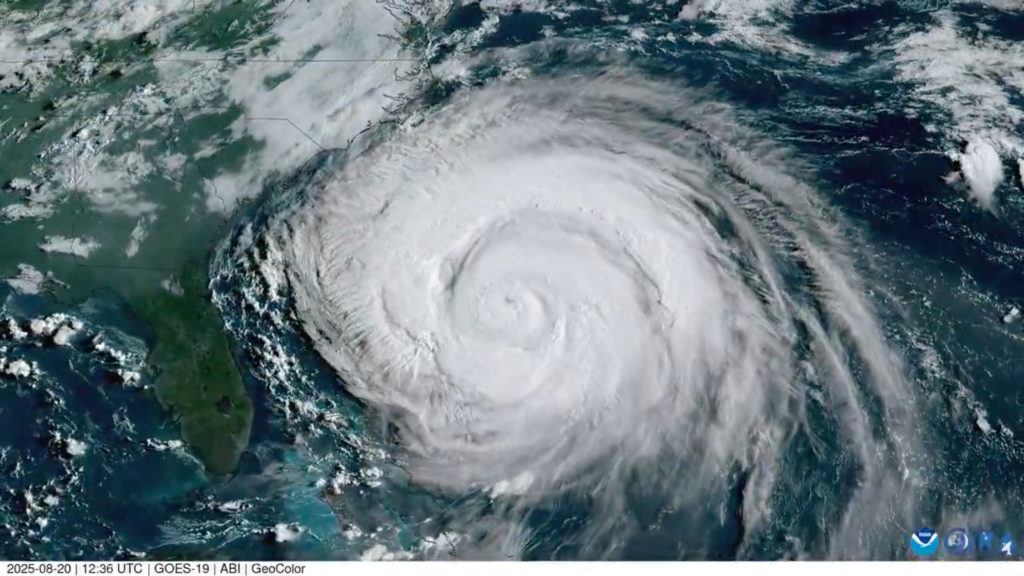
Jacksonville's hurricane season runs June through November, and for roofers, restoration companies, tree services, and general contractors, it means a real spike in work. Storm damage does not wait for a convenient time, and neither do the calls. The problem is not the surge itself. It is what happens to the money six months later, when the calls slow down and the bills from the busy season are still coming due.
Why the surge feels good and hurts later
A big storm season means more revenue in a short window, which naturally leads to bigger decisions: a new truck, more crew, more equipment. All reasonable, if the business genuinely supports it long term. The mistake is treating a surge month's revenue as the new baseline instead of a spike. When the winter slowdown hits, the fixed costs from the surge are still there, but the cash flow that justified them is not.
The tax surprise that comes with it
A strong storm season also usually means a bigger tax bill the following spring, and if quarterly estimated payments were not adjusted to reflect the surge, that bill lands as a surprise instead of something already planned for. This is one of the most common ways contractors end up with a missed or underpaid quarterly estimated tax payment, simply because the income spiked faster than the payment schedule accounted for it.
How to actually get ahead of it
Track the surge separately from your baseline
Know what your business does in a normal month versus a storm-response month. Big decisions should be sized to the baseline, not the spike.
Set aside estimated taxes as the surge happens
A jump in income means a jump in what you owe. Adjust your quarterly payment during the surge quarter, not after you file and find out the following spring.
Build a cash reserve while the money is coming in
A slow winter is predictable in Jacksonville. Set aside a portion of the surge specifically to cover fixed costs during the months when the phone is not ringing as much.
Forecast the slow months before they arrive
A simple cash flow forecast that covers 30, 60, and 90 days out shows you the gap months in advance instead of when the account is already low.
This only works with clean, current numbers
Every step above depends on knowing your actual numbers in real time, not from memory. That is exactly the same problem covered in how Jacksonville contractors can know which jobs are actually profitable. Storm season just raises the stakes on getting it right, because the swings are bigger and the slow season is coming whether the books are ready for it or not.
Coming off a busy storm season?
A free consultation shows you exactly what to set aside now so winter doesn't catch you off guard.
Start Here